Every March, I Think of John: A Personal Story for Brain Injury Awareness Month
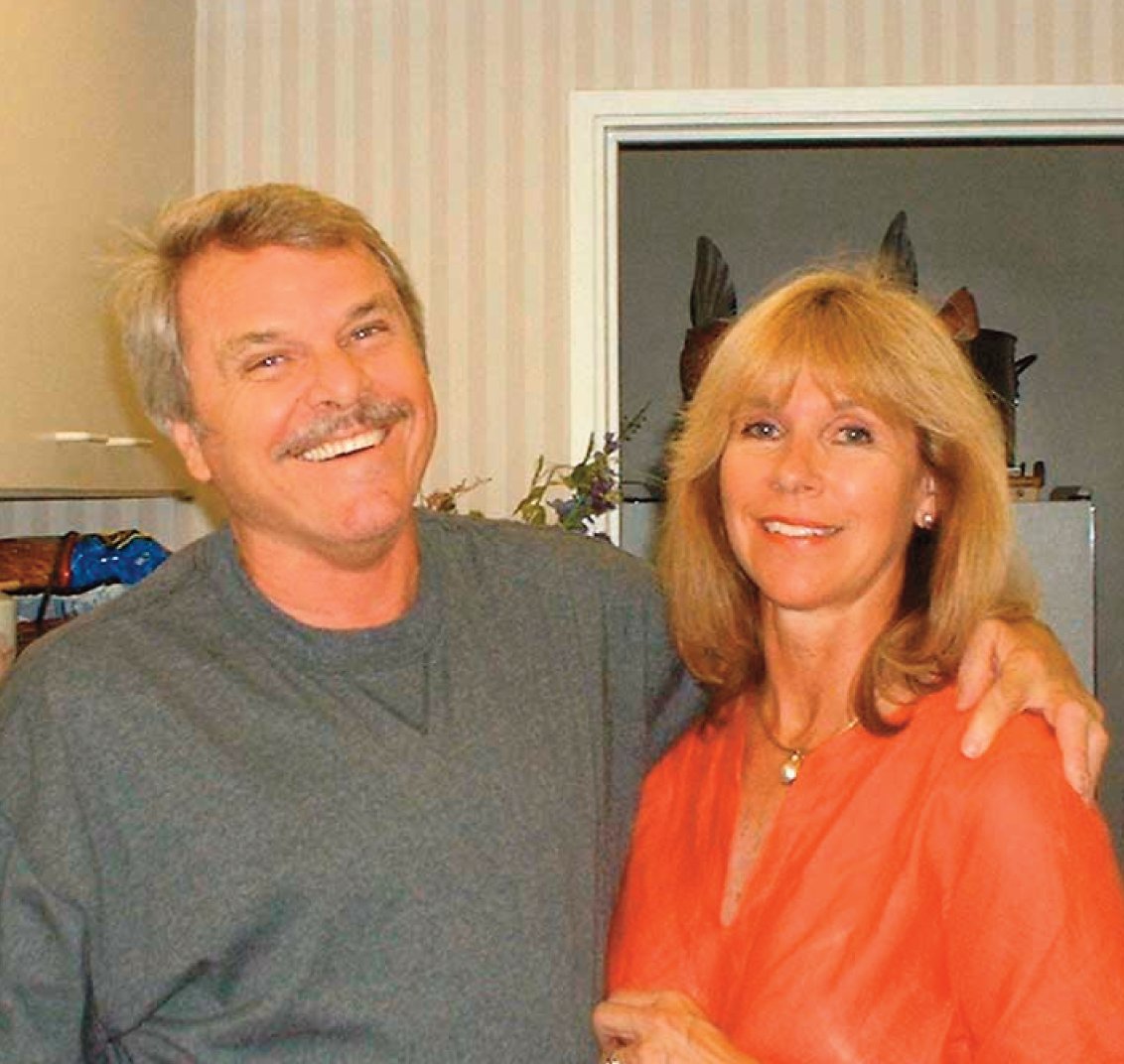
Every March, I Think of John
More than forty years ago, on an ordinary day that became anything but ordinary, my brother John was in a car accident. He was young, full of life, and in an instant, everything changed. The traumatic brain injury he sustained that day did not just change John — it changed our entire family, and in ways I am still discovering today.
Every March, when Brain Injury Awareness Month arrives, I find myself sitting with the full weight of that journey. Not with grief alone, but with something more complicated and more honest: a mixture of loss, love, gratitude, exhaustion, and unexpected grace.
I share this story not because it is easy to tell, but because I know there are families right now — perhaps yours — sitting in a hospital waiting room, or navigating the bewildering maze of rehabilitation, or lying awake at 2 a.m. wondering how to keep going. I want you to know: you are not alone. And there is more ahead of you than you can see right now.
What No One Tells You About TBI
When John came home from the hospital, we were relieved. He had survived. What we did not fully understand yet was that survival is only the beginning of a very long road.
Traumatic brain injury is unlike most other injuries. You cannot see it the way you see a broken leg healing. The changes — in personality, memory, behavior, emotional regulation — are invisible to the outside world but overwhelming to the people who love the person. Friends and extended family often do not understand why your loved one seems "different." They may say things like, "He looks fine to me," not realizing that the person they knew before the injury may never fully return, and that a different, equally worthy person is slowly emerging in their place.
For our family, the years after John's injury were marked by heartbreak and progress in equal measure. There were days when he relearned something we had feared was gone forever — a word, a skill, a laugh we recognized. And there were days when the weight of it all felt impossible to carry.
What I did not know then, and what I wish someone had told me, is that caregiving for a TBI survivor is a marathon, not a sprint. The acute phase passes, but the long-term reality of brain injury — the fatigue, the cognitive challenges, the emotional changes — does not simply resolve. It evolves. And so must the caregiver.
The Gift of Jodi House
One of the most meaningful chapters of John's journey was his time at Jodi House Brain Injury Support Center in Santa Barbara, California. Jodi House is a nonprofit clubhouse for brain injury survivors — a place where members are not patients, but people. People with names and stories and contributions to make.
Watching John find community at Jodi House was one of the most moving experiences of my life. He was seen there. He belonged. The staff and fellow members understood, without explanation, what it meant to live with a brain injury. For a family that had spent years trying to explain the unexplainable to the outside world, Jodi House felt like coming home.
I am deeply grateful to everyone at Jodi House for what they gave John — and for what they gave our family. If you are in the Santa Barbara area and caring for someone with a brain injury, I cannot recommend them highly enough. They also offer a Caregiver Support Program specifically for families, because they understand that the people doing the caregiving need care too.
What I Learned About Myself
Caregiving changes you. I do not say that as a warning — I say it as a truth worth sitting with.
Over the years of caring for and advocating for John, I discovered reserves of strength I did not know I had. I also discovered the cost of ignoring my own needs for too long. There were seasons when I poured so much of myself into John's care that I lost track of who I was outside of that role. My relationships suffered. My sense of self became entangled with his progress and setbacks in ways that were not healthy for either of us.
Learning to care for myself while caring for John was not a betrayal of him. It was, in fact, the only way I could continue to show up for him with any quality of presence. This is the lesson I most want to pass on to every caregiver reading these words: your wellbeing is not a luxury. It is the foundation on which everything else rests.
This is why Care4Caregivers exists. Not because caregiving is a burden to be escaped, but because caregivers deserve the same compassion, resources, and community that we work so hard to provide for the people we love.
For Every Family Walking This Road
If you are caring for someone with a traumatic or acquired brain injury, I want you to hear this:
Your love is making a difference, even on the days when you cannot see it. The consistency you show up with — the appointments you keep, the patience you extend, the presence you offer — matters more than any single dramatic gesture. Brain injury recovery, when it happens, happens slowly and in the quiet accumulation of ordinary days.
And on the days when you feel like you are failing, when you lose your patience or your hope or your sense of humor — those days do not define you. They are part of the honest, human reality of long-term caregiving. You are allowed to be imperfect. You are allowed to grieve. You are allowed to ask for help.
This March, I invite you to learn more about brain injury — not just the clinical facts, but the human stories. I invite you to reach out to an organization like the Brain Injury Association of America, or to find a local support group, or simply to tell someone in your life what you are carrying. Awareness begins with one honest conversation.
And if you are a brain injury survivor reading this: your life has value. Your journey matters. The people who love you are grateful you are here, even on the hard days — perhaps especially on the hard days.
A Final Word
John taught me more about resilience, patience, and the stubbornness of the human spirit than any book or degree ever could. He also taught me that love is not a feeling that arrives fully formed and stays constant. It is a practice. A daily choice. A road you build as you walk it.
Every March, I think of John. And every March, I am grateful — for his survival, for the community that supported us, and for the opportunity to share what I have learned with families who are still finding their way.
You are not alone. And the road ahead, however uncertain, is one you do not have to walk by yourself.
With love and solidarity,
Nansie Chapman Douglas Founder, Care4Caregivers
Resources mentioned in this post:
- Jodi House Brain Injury Support Center — Santa Barbara, CA — (805) 563-2882
- Brain Injury Association of America — 1-800-444-6443
- BrainLine — Education and support for TBI survivors and families
- Care4Caregivers TBI Resources Page [blocked] — Curated resources for caregivers of brain injury survivors